Glue Ear Treatment: Base the Decision on Hearing and Duration
Glue ear treatment depends on how long fluid has remained behind the eardrum and what effect it has on your child. Some cases settle with time. Persistent hearing concerns need assessment and a plan for review, rather than an assumption that every child needs an operation.
ENT Specialists Melbourne helps parents prepare for the next step. Bring observations from home, childcare or school and any hearing reports. The useful question is not simply whether fluid is present, but what it means for this child’s listening and daily life.

Consider the next step.
What is treatment for glue ear intended to change?
Treatment for glue ear aims to address persistent fluid and its effects where intervention is needed. Fluid sits in the middle ear, behind the eardrum. It is different from wax in the ear canal, so cleaning the outside of the ear does not remove it.
The condition may follow an ear infection without being an active infection itself. A child can have difficulty hearing even when there is no fever or obvious pain. Tell the clinician about repeated requests for words to be repeated, louder television volume or difficulty following conversation.
Glue ear care considers the pattern over time
Glue ear care needs a timeline. Note earlier infections, hearing tests and periods when listening appeared easier. This helps distinguish a recent finding from fluid that has continued to affect hearing over a longer period.
Managing glue ear includes everyday communication
Managing glue ear can include practical support while the ears are being monitored. Face your child, reduce background noise where possible and let teachers know about hearing concerns. These steps support communication while the clinical plan is being decided.
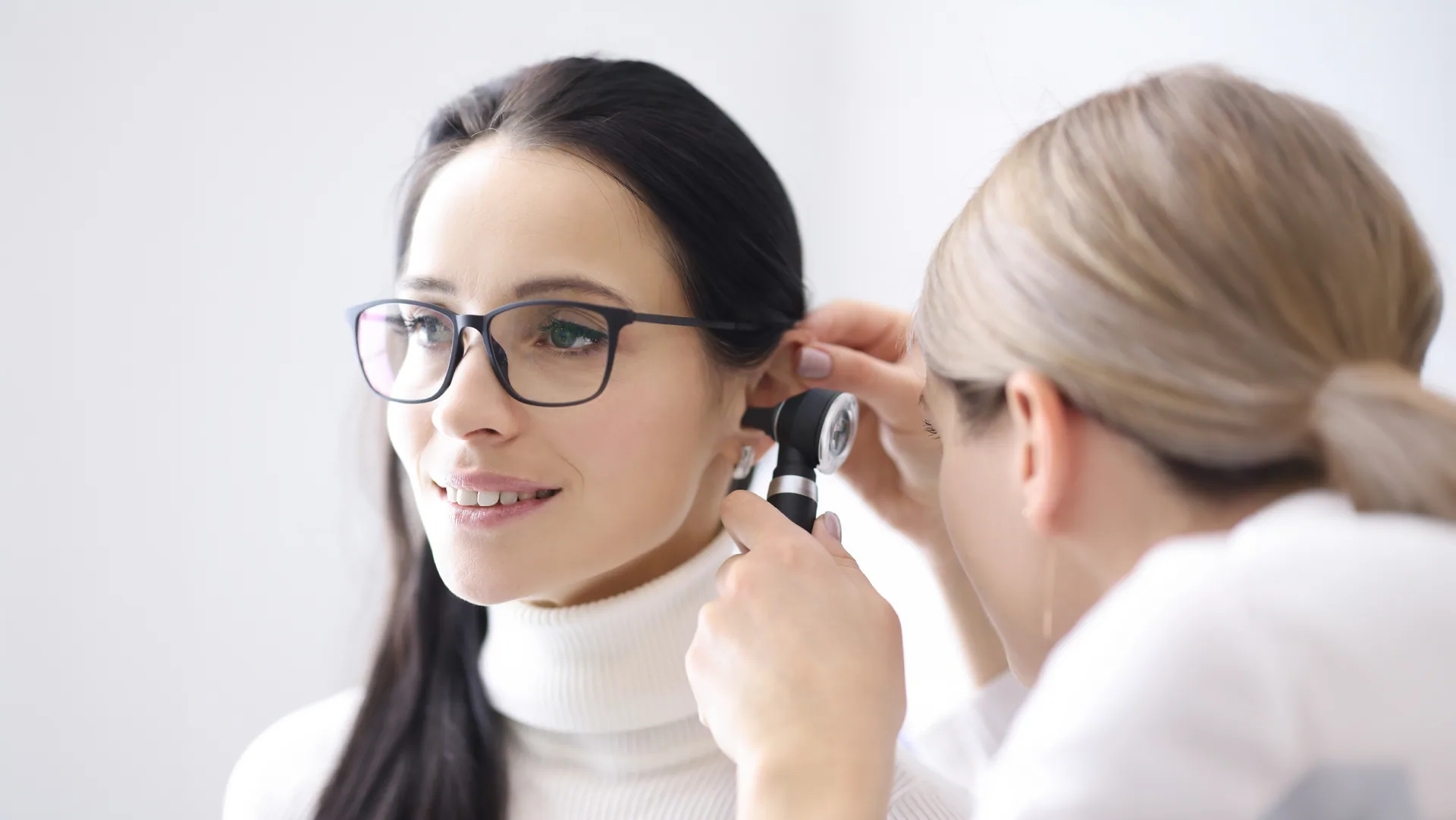
Middle ear fluid: confirm the finding
Middle ear fluid is assessed through an ear examination and, where appropriate, hearing-related tests. A clinician needs to check the ear rather than assume that a child who seems distracted is choosing not to listen.
Describe pain, discharge, balance concerns and any earlier ear surgery. The findings may lead to a different pathway if there is an active infection or another ear condition. Read about ear infections if repeated painful episodes are the main concern.
The Royal Children’s Hospital glue ear guide explains the distinction between fluid and infection. Your child’s own examination determines which advice applies.
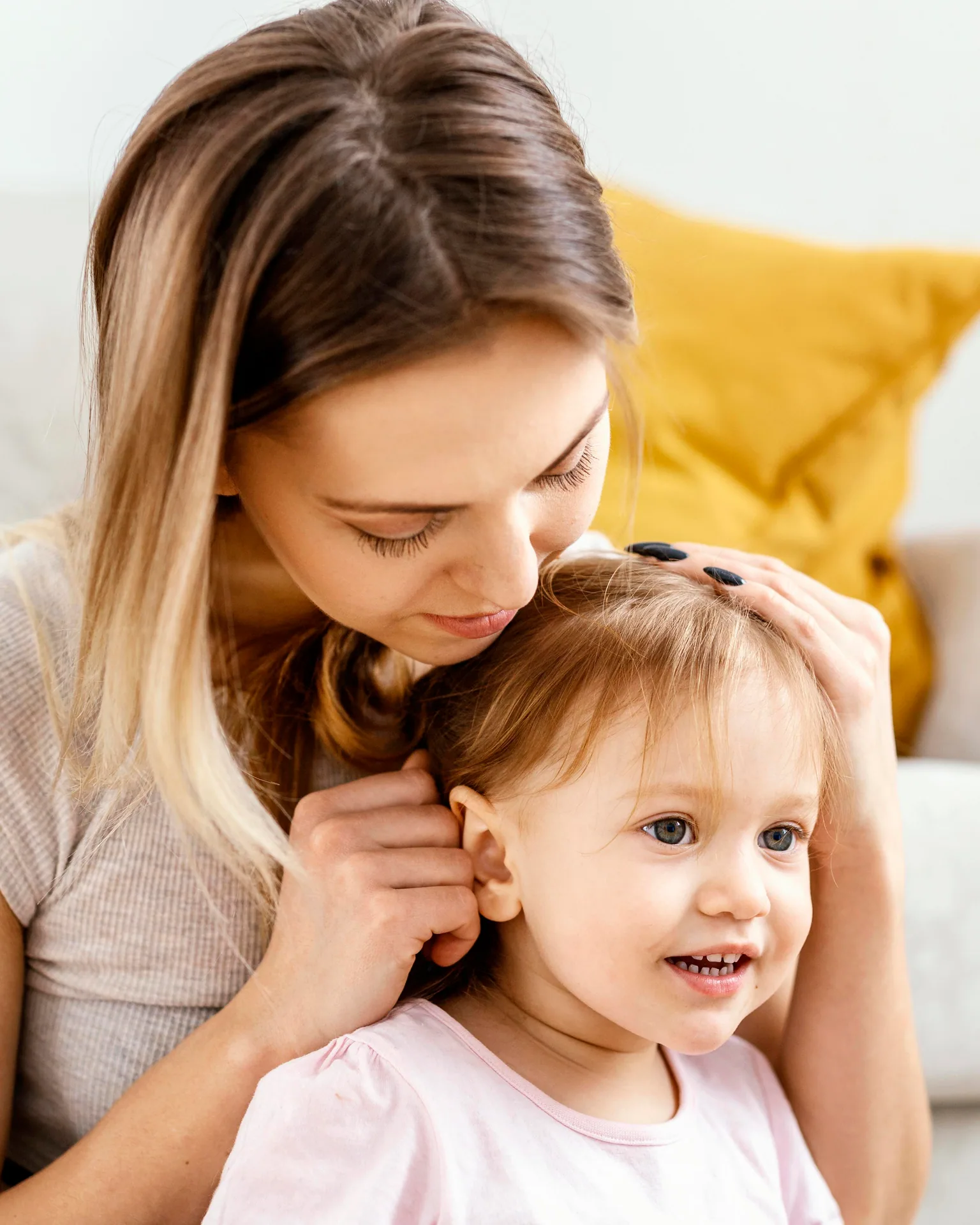
Hearing assessment: measure more than a parent's impression
A hearing assessment can help establish the effect on hearing and guide the next decision. An audiologist can select tests suitable for a child’s age and ability to respond. Bring the full report to the ENT discussion if testing has already taken place.
What happens in a quiet room may differ from listening in a noisy classroom. Share examples from different settings. Mention whether one ear or both ears are affected, if that is known, and whether hearing seems to fluctuate.
Ask how any test result relates to the ear examination and whether another test is needed later. The hearing test information outlines useful preparation without assuming that every age group takes the same test.
Watchful waiting needs a clear review point
Watchful waiting can be appropriate when spontaneous improvement is likely and the child’s circumstances support observation. It should include a plan for checking the ears or hearing again and advice about what should prompt an earlier visit.
Observation does not mean ignoring new concerns. Tell the treating clinician if communication becomes harder, balance changes or pain and discharge develop. A child with additional developmental or hearing needs may require a different approach.
Ask what is being monitored, who will organise the next assessment and what findings would change the plan. Keep a copy of hearing reports so changes can be compared rather than remembered approximately.
When are grommets for glue ear discussed?
Grommets for glue ear may be discussed when fluid persists and hearing or other relevant concerns support intervention. These small tubes are placed in the eardrum to ventilate the middle ear. The decision considers duration, examination and the child’s needs together.
Ask what benefit is expected, what observation would involve and which risks apply. If another procedure is proposed at the same time, request a separate explanation of its purpose. See grommets surgery for information about the procedure rather than treating the diagnosis and operation as the same topic.
Before choosing surgery, confirm the anaesthetic discussion, hospital arrangements and follow-up. Obtain a written estimate and check separate charges with the relevant providers. A price alone cannot tell you whether the operation is appropriate.
Speech development and support while decisions are made
Speech development deserves attention if there are concerns about language or communication. Hearing is one factor to assess, but not the only possible contributor. Tell your GP about any delay rather than assuming it will resolve after ear treatment.
An ear procedure cannot guarantee a particular language outcome. Ask whether hearing review, speech pathology or other developmental assessment is appropriate. Supporting communication and investigating the ears can happen within the same care plan.
Questions about glue ear treatment
Does treatment for glue ear always require an operation?+
Treatment for glue ear does not always require an operation. Many cases improve over time. Persistent fluid, hearing findings and the child’s circumstances guide whether continued observation or grommets should be discussed.
Is glue ear care the same as treating an infection?+
Glue ear care addresses fluid behind the eardrum, which is not necessarily an active infection. Pain, fever or discharge may need a separate assessment. The ear examination helps distinguish the problem.
When is a hearing assessment useful?+
A hearing assessment is useful when hearing appears affected or concerns persist after an ear illness. Your clinician can advise the appropriate timing and test type for your child’s age and history.
Are grommets for glue ear decided by one test alone?+
Grommets for glue ear are not usually a decision based on one number alone. The clinician considers the ear findings, hearing, duration and effects on daily communication, along with the options and risks.
Can middle ear fluid be removed with cotton buds?+
Middle ear fluid is behind the eardrum and cannot be reached by cleaning the ear canal. Do not put cotton buds or other objects into the ear to try to remove it.
What should watchful waiting include?+
Watchful waiting should include a review point, advice about hearing support and instructions for new symptoms. Confirm who will arrange repeat testing and how to seek an earlier assessment if concerns increase.
Will surgery guarantee normal speech development?+
Speech development cannot be guaranteed by an ear operation. Addressing hearing may help when it is a contributing factor, but communication concerns may also need speech or developmental assessment.
What should I bring to the consultation?+
Bring the referral, hearing reports, a timeline of infections and examples of listening difficulties. Notes from childcare or school can help explain what happens away from home.
Prepare for a glue ear treatment discussion
Glue ear treatment decisions become clearer when the examination, hearing results and everyday concerns are considered together. Write down the main change you hope to see and ask how the chosen plan will be reviewed.
Start with a conversation.
Send a non-urgent enquiry about arranging a visit. Keep detailed health information and medical records for your consultation.
- 01
Tell us what brings you here
Choose an area of care and leave your contact details.
- 02
Confirm the practical details
Check the location, appointment fee and referral requirements with the practice.
- 03
Prepare for your consultation
Bring relevant reports, medicines and the questions you want to ask.