Parotidectomy: Understand Which Gland and Why Surgery Is Proposed
Parotidectomy removes part or all of a parotid salivary gland. Before deciding, ask which finding is being treated, how the diagnosis has been assessed and why the proposed extent of surgery is appropriate.
ENT Specialists Melbourne explains the questions involved in salivary gland assessment. A swelling near the ear and a problem beneath the jaw can involve different glands and different treatment decisions. Start by understanding the finding rather than assuming every salivary concern needs the same operation.
Consider the next step.
Salivary gland swelling: identify the location and pattern
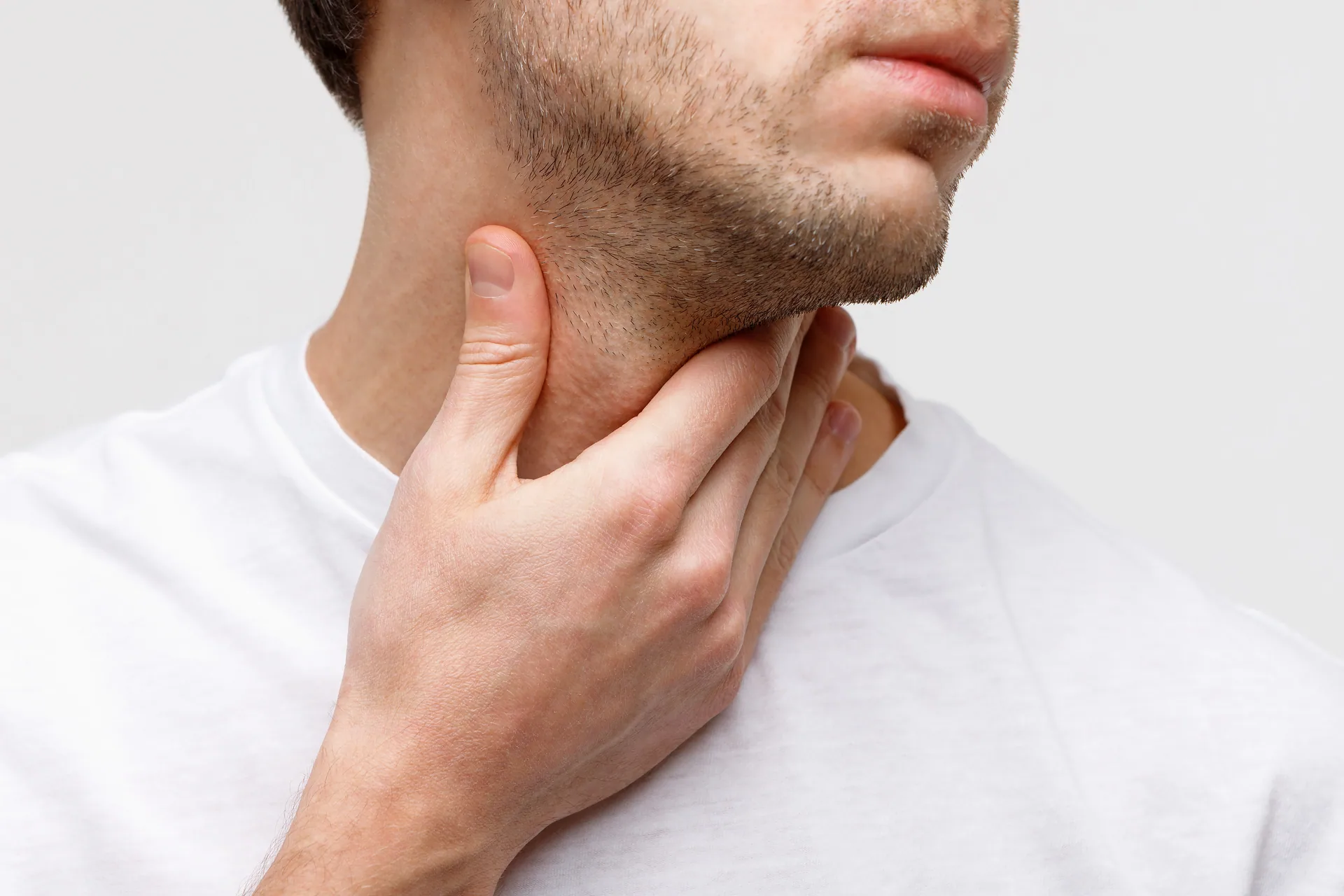
Salivary gland swelling should be described by its location, timing and related symptoms. Tell the clinician when it appeared, whether it changes and whether eating is associated with discomfort or swelling.
Saliva travels through ducts from the glands into the mouth. A gland or duct problem can raise a different clinical question from another type of neck lump. The history, examination and relevant investigations help establish what needs assessment.
A parotid gland tumour needs a diagnosis-specific discussion
A parotid gland tumour may be benign or cancerous. A lump’s appearance alone cannot establish the diagnosis or decide the extent of treatment. Ask what is known from the examination and existing tests and what remains uncertain.
Imaging such as ultrasound or tissue sampling with a biopsy may be discussed where relevant. Ask how each result would affect the plan and who will explain it. If an operation is recommended, clarify whether its purpose is diagnosis, treatment or both.
What does parotid gland surgery involve?
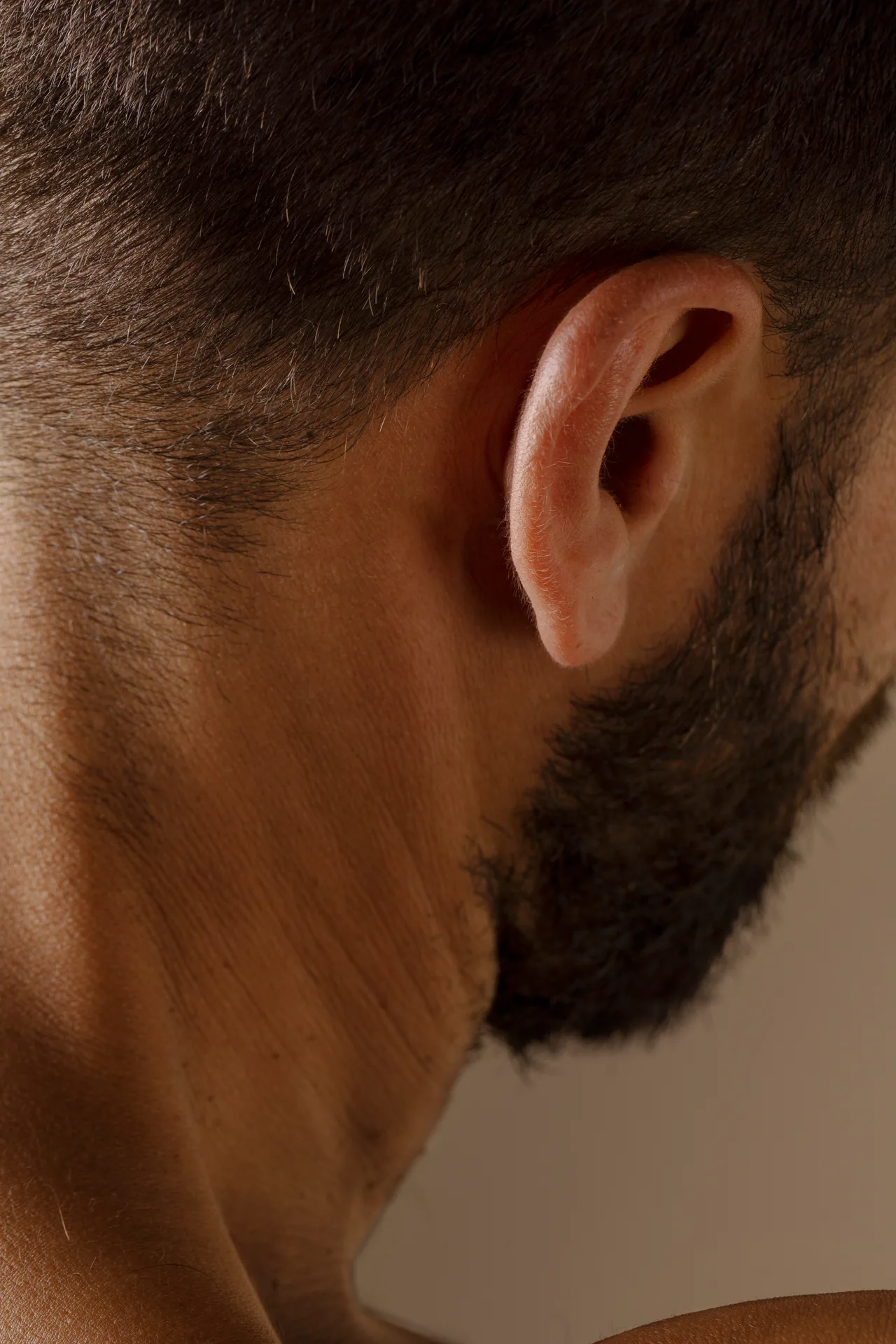
Parotid gland surgery is tailored to the finding and anatomy. The parotid lies near the ear, and important branches of the nerve controlling facial movement run through it. The proposed procedure should account for those relationships.
A parotid operation and the extent of removal
A parotid operation may remove part or all of the gland, depending on the clinical problem. Ask the surgeon to name the procedure and explain why that extent is recommended. A broad operation name does not describe every patient’s care.
Salivary gland surgery when further treatment may be needed
Salivary gland surgery can lead to a pathology result that helps guide later decisions. Ask when the result is expected to be discussed and whether input from other clinicians may be appropriate. The next step should not be left unclear after discharge.

Facial nerve questions belong before consent
The facial nerve is relevant to movement of the face, including the eye and mouth. Ask how the finding relates to the nerve and what risks apply to the proposed operation.
Discuss the possibility of weakness and any other procedure-specific complications. A monitoring technique or careful planning does not remove every risk. If a facial movement concern occurs after treatment, ask which clinician will assess it and what support may be needed.
Salivary gland stones do not automatically mean gland removal
Salivary gland stones can obstruct a duct and may be associated with pain or swelling. The location and findings help guide the options, which should not be assumed to involve removing the whole gland.
Ask what is causing the obstruction, which treatment approaches are appropriate and what alternatives exist. Mention previous episodes or treatment so the discussion reflects the history rather than only the latest swelling.
Submandibular gland removal is a different operation
Submandibular gland removal involves a gland beneath the jaw rather than the parotid near the ear. Its anatomy and risk discussion are different. Ask which gland is involved and why removal, rather than another approach, is being considered.
A general description of parotid treatment cannot provide the consent information for another gland operation. The surgeon should explain the actual procedure, alternatives and care afterwards for the finding being assessed.
Plan salivary gland surgery beyond the operation itself
Salivary gland surgery planning should include the anaesthetic, hospital arrangements, wound care, results and follow-up. A general anaesthetic is used for parotid surgery, but the team must confirm the individual plan.
Ask about time away from work, support at home and any medicines or instructions needed afterwards. Clarify urgent-care contacts and how to report a concern. The patient information and fees page help organise practical questions, including separate provider charges.
Questions before choosing gland treatment
Is parotidectomy necessary for every lump near the ear?+
Parotidectomy is not automatically required for every lump near the ear. The clinician needs to establish the location and significance of the finding before discussing whether an operation is appropriate.
Can parotid gland surgery involve only part of the gland?+
Parotid gland surgery can involve different extents of removal. Ask what is proposed, why it fits the diagnosis and what further information or treatment may be needed afterwards.
Does a parotid gland tumour always mean cancer?+
A parotid gland tumour does not always mean cancer. Assessment and relevant investigations help clarify the diagnosis. Ask what the results show and what uncertainty remains.
Why should I ask about the facial nerve?+
The facial nerve controls facial movement and has an important relationship with the parotid gland. Ask which risks apply to your proposed operation and how concerns afterwards would be assessed.
Do salivary gland stones always require removing a gland?+
Salivary gland stones do not automatically require gland removal. The options depend on their location and the clinical findings. Ask why a particular approach is recommended and which alternatives are reasonable.
Is submandibular gland removal the same as parotid surgery?+
Submandibular gland removal and parotid surgery involve different glands and anatomy. The assessment and consent discussion should identify the actual gland and procedure rather than treating them as interchangeable.
What should I record about salivary gland swelling?+
Salivary gland swelling information should include location, duration, changes and any association with eating or discomfort. Bring relevant earlier reports and explain what has happened with previous treatment.
Who explains the pathology result after an operation?+
Confirm which clinician will discuss the result and how the follow-up will be arranged. Ask whether that information may affect further treatment and who coordinates the next decision.
Consider salivary gland surgery with the diagnosis and plan connected
Salivary gland surgery should have a clear purpose linked to the assessed finding. Bring the history and reports, then ask how the proposed procedure, risks and review fit together.
Any surgical or invasive procedure carries risks. Before proceeding, you should seek a second opinion from an appropriately qualified health practitioner.
Further patient information: Read the source information.
Start with a conversation.
Send a non-urgent enquiry about arranging a visit. Keep detailed health information and medical records for your consultation.
- 01
Tell us what brings you here
Choose an area of care and leave your contact details.
- 02
Confirm the practical details
Check the location, appointment fee and referral requirements with the practice.
- 03
Prepare for your consultation
Bring relevant reports, medicines and the questions you want to ask.