Thyroid Nodules: Understand the Tests Before Deciding on Treatment
Thyroid nodules are findings within the thyroid gland that need to be interpreted with the clinical history and appropriate tests. Many are benign. Identifying a nodule on a scan does not, by itself, establish cancer or mean that the gland must be removed.
ENT Specialists Melbourne helps you prepare for a discussion of what has been found and what needs to happen next. Bring the full report and any earlier imaging. The most useful plan explains which questions are already answered and which remain open.
Prepare a thyroid assessment enquiry · Read about thyroid surgery
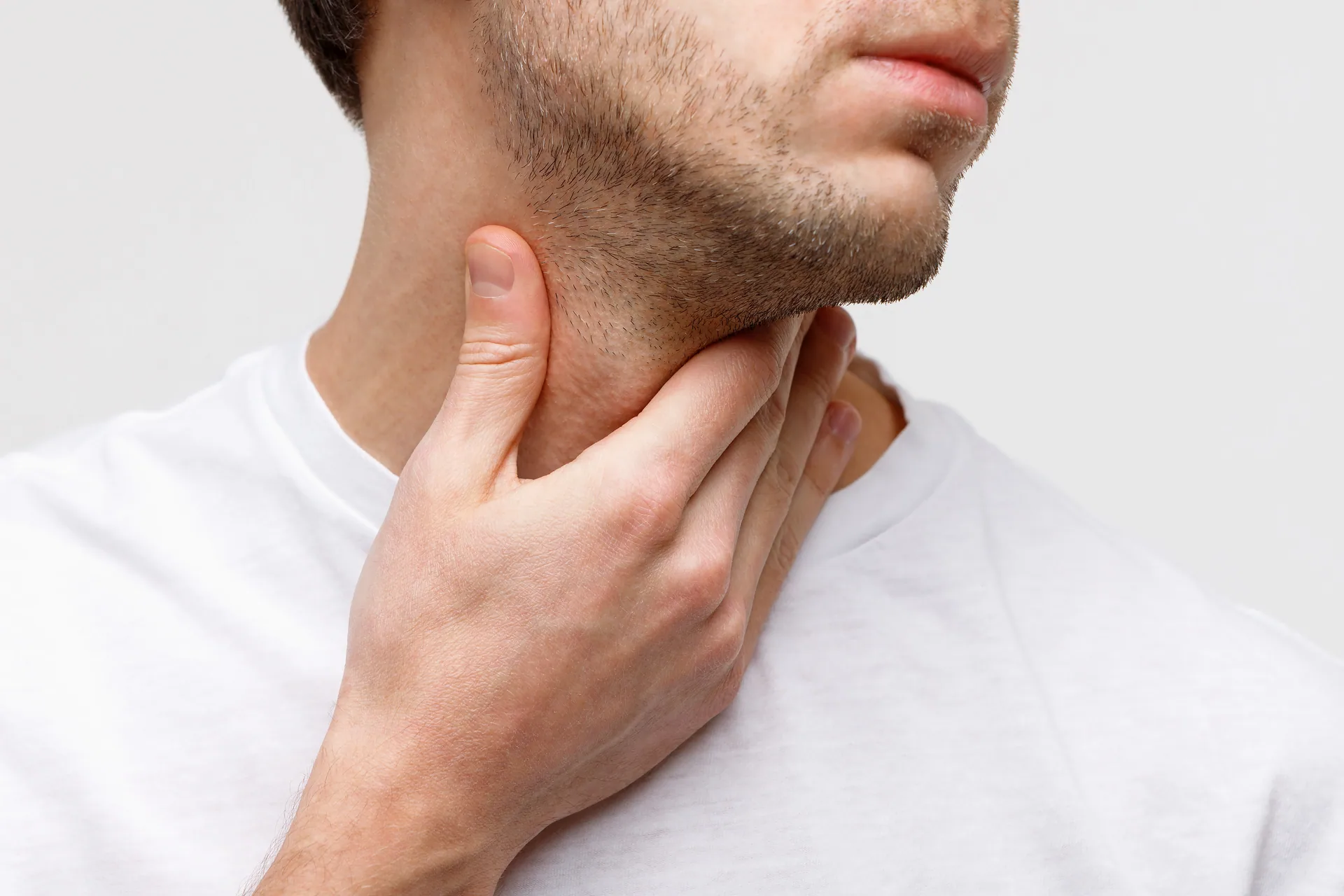
Consider the next step.
What happens during thyroid nodule assessment?
Thyroid nodule assessment considers the finding, medical history, symptoms and relevant investigation results. Some nodules are noticed during a neck examination; others are found on imaging performed for another reason.
Tell the clinician about growth, a voice change, swallowing concerns or pressure symptoms. Mention earlier thyroid treatment and relevant family history. A new or rapidly changing neck finding deserves prompt medical review; severe breathing difficulty requires urgent care.
Nodules in the thyroid do not all behave alike
Nodules in the thyroid differ in appearance, size and other features. The report needs interpretation rather than a decision based on one measurement. Ask which features affect the recommendation in your case.
Thyroid nodule evaluation separates function from structure
Thyroid nodule evaluation asks both how the gland works and what the finding looks like. Normal hormone results do not replace assessment of a structural finding. Different tests answer different questions.
Thyroid ultrasound: understand the report in context
Thyroid ultrasound produces images of the gland and can describe the size and features of a nodule. The report may use terms such as solid or cystic. Ask for an explanation of the features that matter to your plan.
A scan can help decide whether sampling or later imaging is appropriate. It does not always establish a definite tissue diagnosis. Do not assume that a word unfamiliar to you automatically means cancer.
Bring earlier images or access details so the clinician can compare findings where useful. A difference between reports should be interpreted by the treating team rather than judged solely from numbers in two documents.

Thyroid function tests: what do they tell you?
Thyroid function tests help assess hormone activity. The gland produces hormones that affect many body functions. Tests such as TSH can contribute to understanding how the gland is working, but they cannot alone decide whether a particular nodule is benign.
Tell the clinician about thyroid medicines and other relevant treatments. Do not change your dose based only on reading a report online. The result needs to be interpreted with the laboratory range, history and other findings.
The American Thyroid Association patient guide explains the distinction between gland function, ultrasound and sampling. Your clinician can clarify which investigations are relevant to your finding.
Fine needle aspiration: why sampling may be recommended
Fine needle aspiration takes cells from a selected area for pathology review. It may be recommended according to the nodule’s features and the overall assessment. Not every finding needs to be sampled in the same way or at the same time.
Ask where the procedure will happen, what preparation is required and when the report should be available. Tell the team about medicines affecting bleeding; do not stop them without individual medical instructions.
A report may be benign, suspicious, indeterminate or insufficient for a diagnosis. These outcomes require different explanations. If the first sample is not conclusive, ask whether another sample, further assessment or a procedure is being considered and why.
Benign nodule: does that mean no further care?
A benign nodule may be managed without surgery when the overall assessment supports that approach. Symptoms, changes over time and the relationship between the imaging and sampling results still matter.
If a nodule causes pressure or other concerns, treatment may still be discussed even when it is not cancerous. Ask what symptom is expected to improve and how the proposed option compares with observation.
If thyroid surgery is proposed, clarify whether the aim is diagnosis, symptom relief or treatment of a confirmed condition. The extent of an operation should be explained separately from the general decision to consider one.
Nodule monitoring: make the follow-up arrangement explicit
Nodule monitoring should identify what will be checked, when and by whom. The interval depends on the findings and previous results. A general statement to “keep an eye on it” is not a complete plan.
Ask who will arrange any repeat scan or appointment and how you will receive the results. Keep reports together. Report a new symptom or visible change rather than waiting automatically for the next routine date.
Consultations, imaging and sampling may have separate fees. Confirm charges as they are arranged and read fees and Medicare information for questions about estimates and eligibility. A treatment choice should be based on clinical findings as well as practical arrangements.
Questions about thyroid nodules
Does thyroid nodule assessment always lead to surgery?+
Thyroid nodule assessment does not always lead to surgery. Many findings are managed with observation or further investigation. The decision depends on symptoms, ultrasound features and other relevant results.
Can nodules in the thyroid occur with normal blood tests?+
Nodules in the thyroid can occur when hormone tests are normal. Blood tests assess function and do not replace evaluation of the structure or tissue where indicated.
Will thyroid ultrasound tell me whether the nodule is cancer?+
Thyroid ultrasound helps assess features and decide the next step, but it does not provide a definite tissue diagnosis in every case. Sampling may be considered when the assessment supports it.
Do thyroid function tests replace a biopsy?+
Thyroid function tests and a biopsy answer different questions. Normal hormone activity does not, on its own, establish what a nodule represents. Ask how each result contributes to the plan.
Does fine needle aspiration always give a clear answer?+
Fine needle aspiration does not always give a definite answer. A sample may be indeterminate or insufficient. The clinician should explain what the report means and which further step is appropriate.
Can a benign nodule still cause symptoms?+
A benign nodule can sometimes contribute to pressure or other symptoms. The clinician needs to consider whether the finding explains your concern and whether treatment would offer a useful benefit.
How often is nodule monitoring needed?+
Nodule monitoring intervals depend on the individual findings and previous results. Confirm a written follow-up plan rather than applying an interval recommended for another person.
What should I bring to the appointment?+
Bring your referral, ultrasound reports and image access details, blood results, any earlier sampling report and a medicine list. Include a short account of symptoms and changes over time.
Prepare for your thyroid nodule evaluation
Thyroid nodule evaluation should leave you knowing what the finding means and why the next step is recommended. Gather the reports and ask who will coordinate testing, results and any later review.
Start with a conversation.
Send a non-urgent enquiry about arranging a visit. Keep detailed health information and medical records for your consultation.
- 01
Tell us what brings you here
Choose an area of care and leave your contact details.
- 02
Confirm the practical details
Check the location, appointment fee and referral requirements with the practice.
- 03
Prepare for your consultation
Bring relevant reports, medicines and the questions you want to ask.