Grommets Surgery: Put Hearing and Daily Life Into the Decision
Grommets surgery may be discussed when a middle-ear problem is affecting hearing or causing a pattern of symptoms that warrants treatment. For a family, the decision is about what the findings mean for the child, not simply how many infections have been counted.
ENT Specialists Melbourne helps you prepare that conversation. Explain what you notice in ordinary situations, bring earlier reports and ask how an operation compares with observation. An assessment can clarify the choices without committing you to a procedure.

Consider the next step.
What can grommets surgery change?
Grommets surgery places small tubes through the eardrum to provide ventilation to the middle ear. It may be useful for selected problems involving fluid or recurrent ear infections. It does not address every cause of reduced hearing.
The ear examination and relevant history help establish whether the proposal fits the problem. Ask what improvement is expected and which concerns may need separate assessment. A promise that tubes will resolve every issue with sleep, speech or behaviour would go beyond what one procedure can establish.
A grommet procedure for a child who misses conversation
A grommet procedure may be considered when the findings and hearing information support intervention. Describe whether the child asks for repetition, struggles in a noisy classroom or seems to hear better on some days. Those details help explain the impact.
Ear tube surgery after repeated treatment
Ear tube surgery should take account of earlier care and the current ear findings. Bring the treatment history and explain what continues to recur. Ask whether a review period, another assessment or a procedure is the appropriate next step.

Glue ear in children can require monitoring as well as discussion
Glue ear in children means fluid is present behind the eardrum. It can affect hearing, but some cases improve over time. The duration, hearing findings and effect on the child help guide whether to monitor or consider treatment.
Ask what would be reviewed if you choose observation. A monitoring plan should explain when reassessment is appropriate and which changes matter. The glue ear information provides more detail about preparing that discussion.
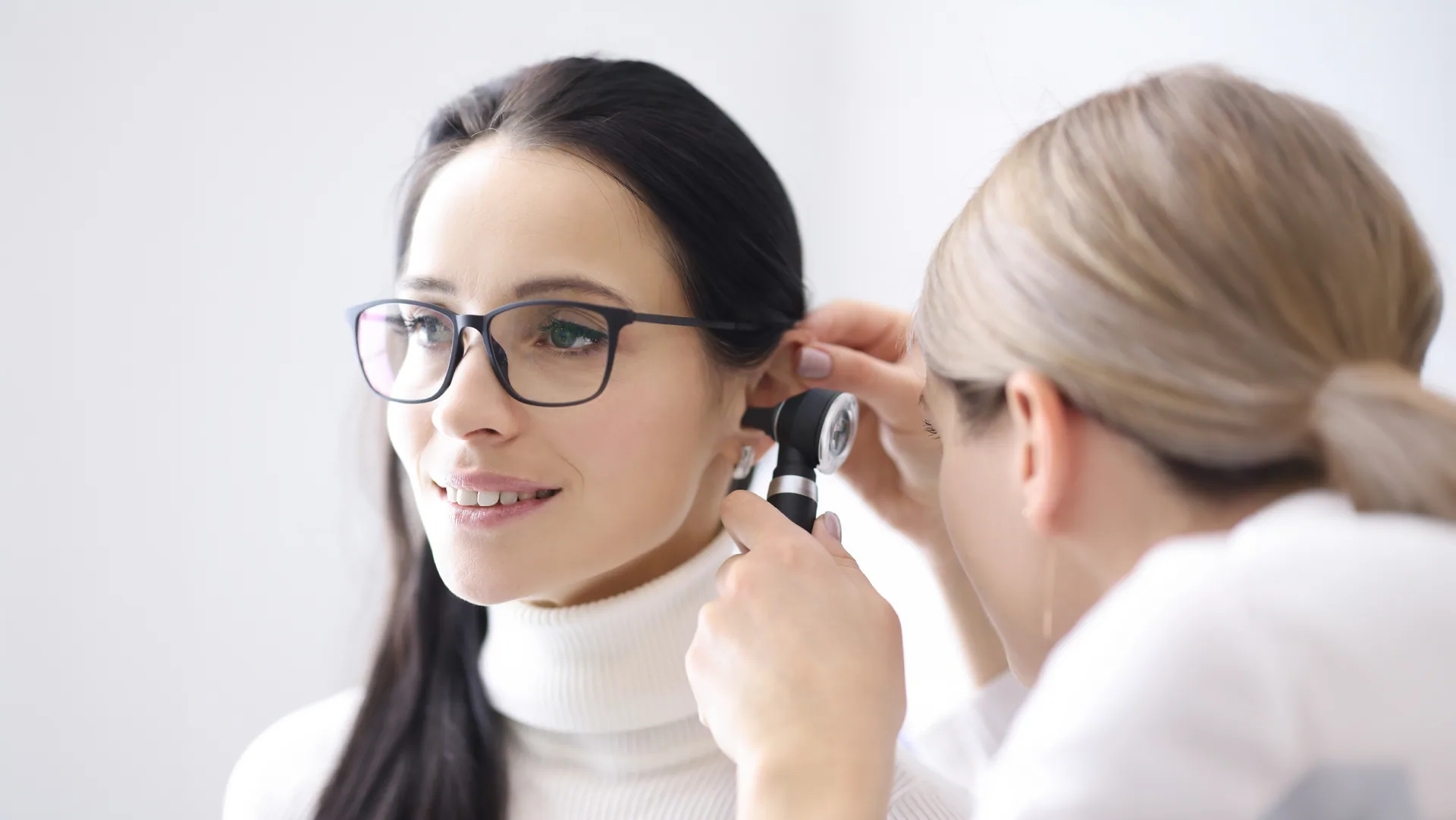
Hearing before grommets: establish what the result adds
Hearing before grommets may be assessed to understand the degree and pattern of a hearing concern. Ask the clinician whether testing is needed and how the result would change the recommendation.
An audiologist can use methods suited to the patient’s age. Bring earlier hearing test reports so a useful comparison can be considered. Testing should answer the relevant question rather than be treated as an identical checklist for every patient.

Middle-ear ventilation and the proposed operation
Middle-ear ventilation through a tube involves a small opening in the eardrum. The surgeon should explain the planned procedure, anaesthetic and arrangements for going home. A general anaesthetic is commonly used, but the treating team must confirm the plan for the patient.
For a child, ask what parents can expect at the hospital and how to explain it beforehand. Tell the team about medicines, allergies and illness before the procedure. Follow the actual instructions provided, including any preparation requirements.
Adult grommets need an individual reason too
Adult grommets may be considered for selected middle-ear conditions. Having tubes recommended does not mean the adult’s problem is identical to a child’s glue ear.
Explain the timing, whether one or both ears are affected and any pressure-related symptoms or previous operations. Ask which diagnosis the procedure addresses and how the result would be reviewed. A tube is not a treatment for every type of hearing loss.
Grommet surgery recovery: know the instructions before leaving
Grommet surgery recovery includes the early care plan and review while the tubes remain in place. Ask about discomfort, discharge, water exposure and the circumstances that need medical advice.
Potential complications include infection, ongoing discharge and a persistent hole in the eardrum. Tubes may also come out earlier than expected or fluid may return later. Discuss these possibilities before deciding, and obtain instructions from the team responsible for treatment.
Grommet surgery cost: ask about the whole arrangement
Grommet surgery cost can include different providers and services. Ask about the surgeon, anaesthetist, hospital and any hearing assessment or review fees.
Request the relevant estimate before agreeing to care and confirm any Medicare or insurance questions with the provider or fund. Read the fees guidance to prepare for the conversation without assuming the same cover or payment for every family.
Questions before deciding on treatment
Is grommets surgery necessary for every child with fluid?+
Grommets surgery is not necessary for every child with middle-ear fluid. Some cases are monitored. Ask how the hearing findings, duration and effect on daily life support the recommendation.
Can an ear tube surgery decision be based only on infection numbers?+
An ear tube surgery decision should consider the wider history and findings. Infection episodes are useful information, but the clinician should explain why the overall pattern supports observation or treatment.
Can glue ear in children affect listening at school?+
Glue ear in children can affect hearing and listening. School observations can help explain the concern, but an assessment is needed rather than assuming hearing accounts for every learning or communication difficulty.
Is hearing before grommets always tested in the same way?+
Hearing before grommets is assessed according to the patient’s age and clinical question. Ask which test is appropriate and bring earlier reports for comparison where useful.
Are adult grommets a permanent fix?+
Adult grommets do not guarantee a permanent resolution. Ask what the procedure aims to change, how long the particular tubes may remain and what review is needed if symptoms continue.
What should I ask about grommet surgery recovery?+
Grommet surgery recovery questions should cover home care, activities, discharge and follow-up. Use the treating team’s instructions rather than another patient’s care routine.
Is grommet surgery cost the same as a consultation fee?+
Grommet surgery cost and a consultation fee are different matters. Confirm each part of the proposed care and ask which other providers or assessments may be billed separately.
Will a tube stay in the ear forever?+
Most tubes are intended to come out over time. Ask what is proposed and how the ear will be checked afterwards. Do not attempt to replace a tube yourself if it comes out.
Consider ear tube surgery with the review plan understood
Ear tube surgery is easier to consider when the hearing question, expected benefit and review arrangements are clear. Bring the information that explains the concern in daily life, then ask what the findings mean for the decision.
Any surgical or invasive procedure carries risks. Before proceeding, you should seek a second opinion from an appropriately qualified health practitioner.
Further patient information: Read the source information.
Start with a conversation.
Send a non-urgent enquiry about arranging a visit. Keep detailed health information and medical records for your consultation.
- 01
Tell us what brings you here
Choose an area of care and leave your contact details.
- 02
Confirm the practical details
Check the location, appointment fee and referral requirements with the practice.
- 03
Prepare for your consultation
Bring relevant reports, medicines and the questions you want to ask.