Does My Child Need Grommets? Understand the Evidence Before Deciding
Does my child need grommets? The answer depends on the ear findings, hearing, time course and your child’s circumstances. A child who has had one ear infection is not automatically a candidate for an operation. A continuing listening problem also should not be dismissed without assessment.
This ENT Specialists Melbourne guide helps you organise the information behind the decision. It complements the grommets procedure page: this page focuses on why an operation may be discussed, rather than how it is performed.
Prepare your child’s assessment questions · Read about glue ear

Consider the next step.
How does a clinician decide when a child needs grommets?
When a child needs grommets is decided from the combination of history, examination and relevant testing. The purpose may relate to persistent fluid and hearing, or to selected patterns of infection. Ask which concern the proposed operation is intended to address.
The recommendation should make sense for your child now, including any additional developmental or hearing needs. Another child’s age, infection count or experience cannot establish the right choice for yours.
Does a child need grommets after one abnormal test?
Does a child need grommets after one test? Not necessarily. The result needs to be interpreted with the ear examination and the history. Ask whether a repeat assessment would add useful information or whether there is a reason to act sooner.
Deciding about grommets starts with an agreed goal
Deciding about grommets should identify the intended benefit. Is the main concern listening, persistent fluid or a particular infection pattern? Ask what is likely to change and what may need separate attention.
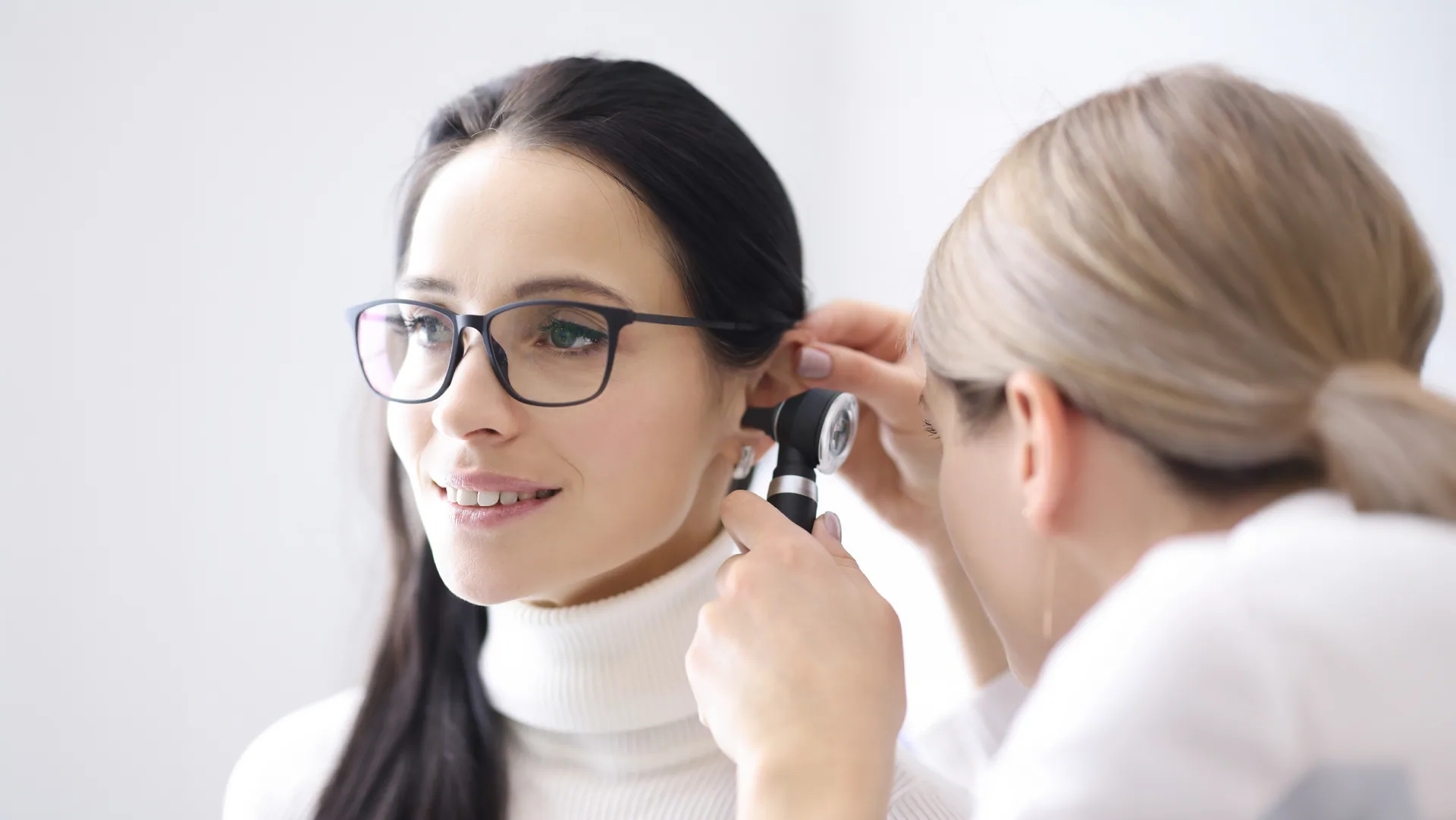
Hearing loss in children: what happens outside the test room?
Hearing loss in children can be noticed through everyday behaviour: asking for repetition, missing instructions or struggling with conversation in noise. These observations are worth reporting without assuming the cause.
Bring the audiogram or other hearing report if testing has already taken place. Ask what it shows, whether one or both ears are affected and how the result relates to the fluid or other findings.
Teachers and caregivers may notice difficulties that are less apparent at home. Share concrete examples, including classroom listening. Speech or developmental concerns may also need assessment beyond the ears; grommets cannot guarantee a particular language outcome.
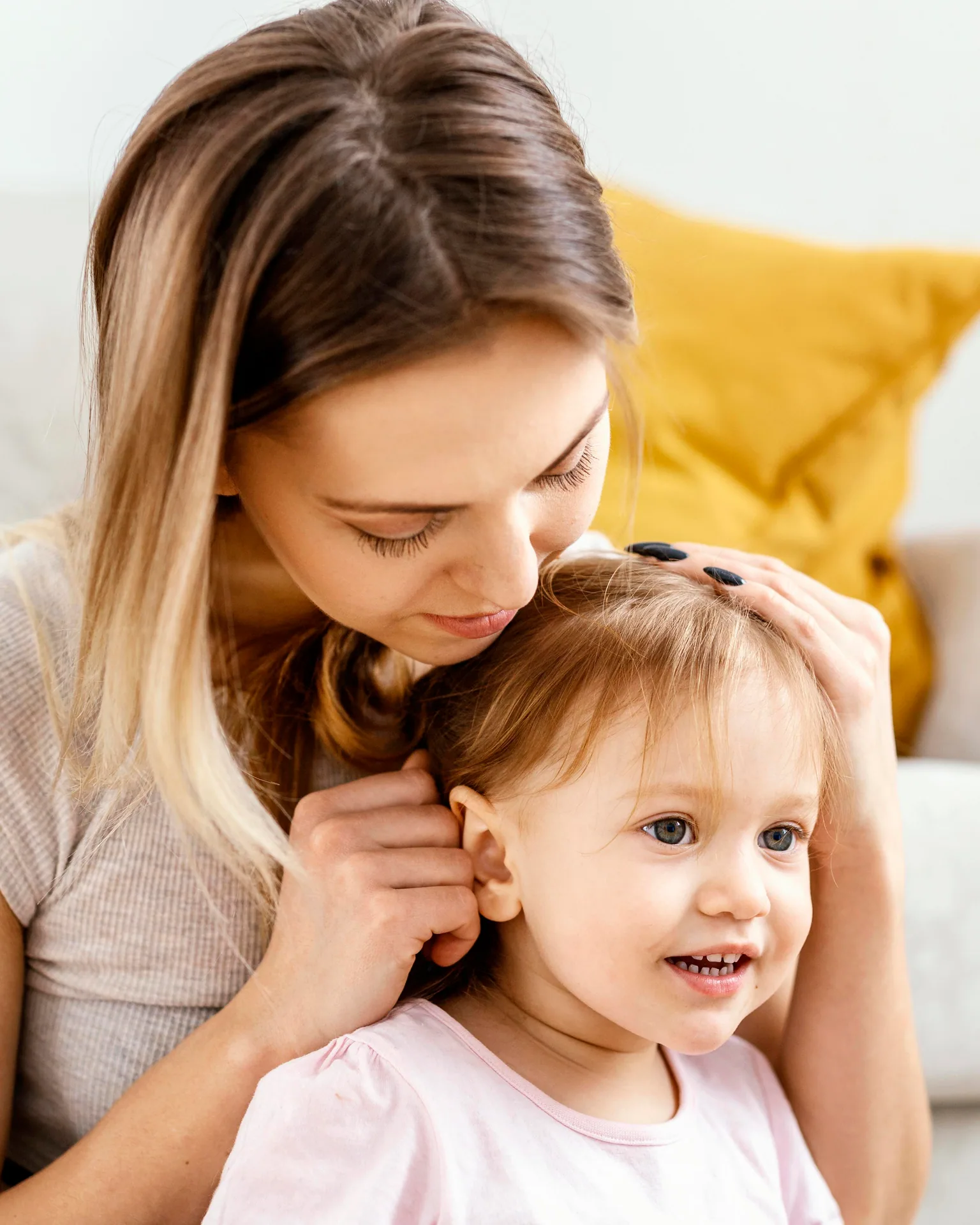
Persistent ear fluid: establish the duration
Persistent ear fluid describes fluid remaining behind the eardrum rather than ordinary wax in the canal. It may follow an infection and can affect hearing even when the child is not in obvious pain.
Record when fluid was first identified, later examinations and any changes in hearing. A single date may not tell the whole story if the ears improved and then worsened again. The clinician can help interpret that pattern.
The Royal Children’s Hospital guide to glue ear explains why observation may be appropriate in some cases and why lasting hearing effects can change the discussion. A decision should use your child’s actual course rather than a generic deadline.
Repeated ear infections: distinguish episodes from ongoing fluid
Repeated ear infections and retained fluid are related but different concerns. Keep a record of painful episodes, fever, discharge, treatments and whether the child recovered between events.
Ask what diagnosis was made during each episode if reports are available. Canal infections, middle ear infections and residual fluid are not identical conditions. This distinction helps avoid an operation being discussed for an unclear reason.
Read ear infection information for the broader assessment pathway. New severe symptoms or an acutely unwell child needs medical care rather than waiting for a planned grommet discussion.
The grommet decision: compare observation with a procedure
The grommet decision should explain both options when continued observation is reasonable. Ask how long the ears and hearing would be monitored, what support is useful meanwhile and which findings would change the plan.
If tubes are recommended, ask about the expected hearing benefit, procedure risks and follow-up. Discuss the anaesthetic and practical arrangements with the treating team. If another operation is proposed at the same time, request its separate purpose and risks.
Questions worth taking to the consultation include:
- What finding makes an operation useful now?
- What would continued observation involve?
- How will hearing be checked after treatment or waiting?
- Could a communication concern need another assessment too?
- What should prompt earlier medical review?
Hearing review: close the loop after either choice
Hearing review is important whether you choose observation or an operation. Ask who will arrange it, what is being measured and how you will receive the results. A child appearing more responsive is useful information but may not replace a recommended test.
Support listening while the plan is underway. Reduce background noise where possible, face your child when speaking and tell educators about the concern. These measures complement the clinical plan rather than prove that an operation is unnecessary.
Confirm costs separately for assessment, audiology and any proposed hospital procedure. A written estimate should explain provider charges and exclusions. Read fees and Medicare information before comparing arrangements.
Questions parents ask when deciding about grommets
Does a child need grommets whenever glue ear is found?+
Does a child need grommets for every fluid finding? No. The duration, hearing effect and individual circumstances determine whether observation or a procedure is appropriate. Ask why the recommendation fits your child.
Can deciding about grommets wait for another hearing test?+
Deciding about grommets may involve another test when it would clarify the pattern. In other situations there may be a reason not to wait. The clinician should explain which applies and what observation would involve.
Is hearing loss in children always obvious at home?+
Hearing loss in children may be more apparent in noise or at school than during a quiet conversation. Bring observations from different settings and ask how they relate to the test results.
Does persistent ear fluid mean an active infection?+
Persistent ear fluid does not necessarily mean an active infection. It can remain after an illness. The examination helps distinguish retained fluid from a new infection or another ear condition.
Are repeated ear infections enough to choose surgery?+
Repeated ear infections need to be considered with their pattern, diagnosis and the ear findings. Ask what an operation is expected to change rather than applying another family’s infection count to your child.
Should the grommet decision include speech concerns?+
The grommet decision should consider relevant speech or communication concerns, but an ear operation cannot guarantee a language outcome. Ask whether speech pathology or another developmental assessment is also appropriate.
When should hearing review happen?+
Hearing review timing depends on the findings and treatment plan. Confirm the date or interval with the treating clinician, who will arrange it and what should lead to an earlier visit.
What should I take to the consultation?+
Bring the referral, hearing reports, infection timeline and notes from caregivers or educators. Include details of earlier ear procedures and the main change you hope treatment will achieve.
Does my child need grommets? Bring the question and the evidence
Does my child need grommets is a question best answered with the examination, hearing results and daily concerns together. Ask for the reason behind the recommendation and a clear plan for the next review, whichever option you choose.
Start with a conversation.
Send a non-urgent enquiry about arranging a visit. Keep detailed health information and medical records for your consultation.
- 01
Tell us what brings you here
Choose an area of care and leave your contact details.
- 02
Confirm the practical details
Check the location, appointment fee and referral requirements with the practice.
- 03
Prepare for your consultation
Bring relevant reports, medicines and the questions you want to ask.