Nasendoscopy: Understand the Examination Before You Agree to It
Nasendoscopy uses a small camera passed through the nose to examine relevant areas of the upper airway. It may help investigate persistent nasal or throat symptoms, including some voice and swallowing concerns. The reason for the examination should be clear before it begins.
ENT Specialists Melbourne helps you prepare questions about the test and the next decision. Knowing what the clinician is looking for can make the appointment easier to understand. The examination provides information; it does not automatically mean that you need an operation.
Prepare an examination enquiry · Read the first appointment guide
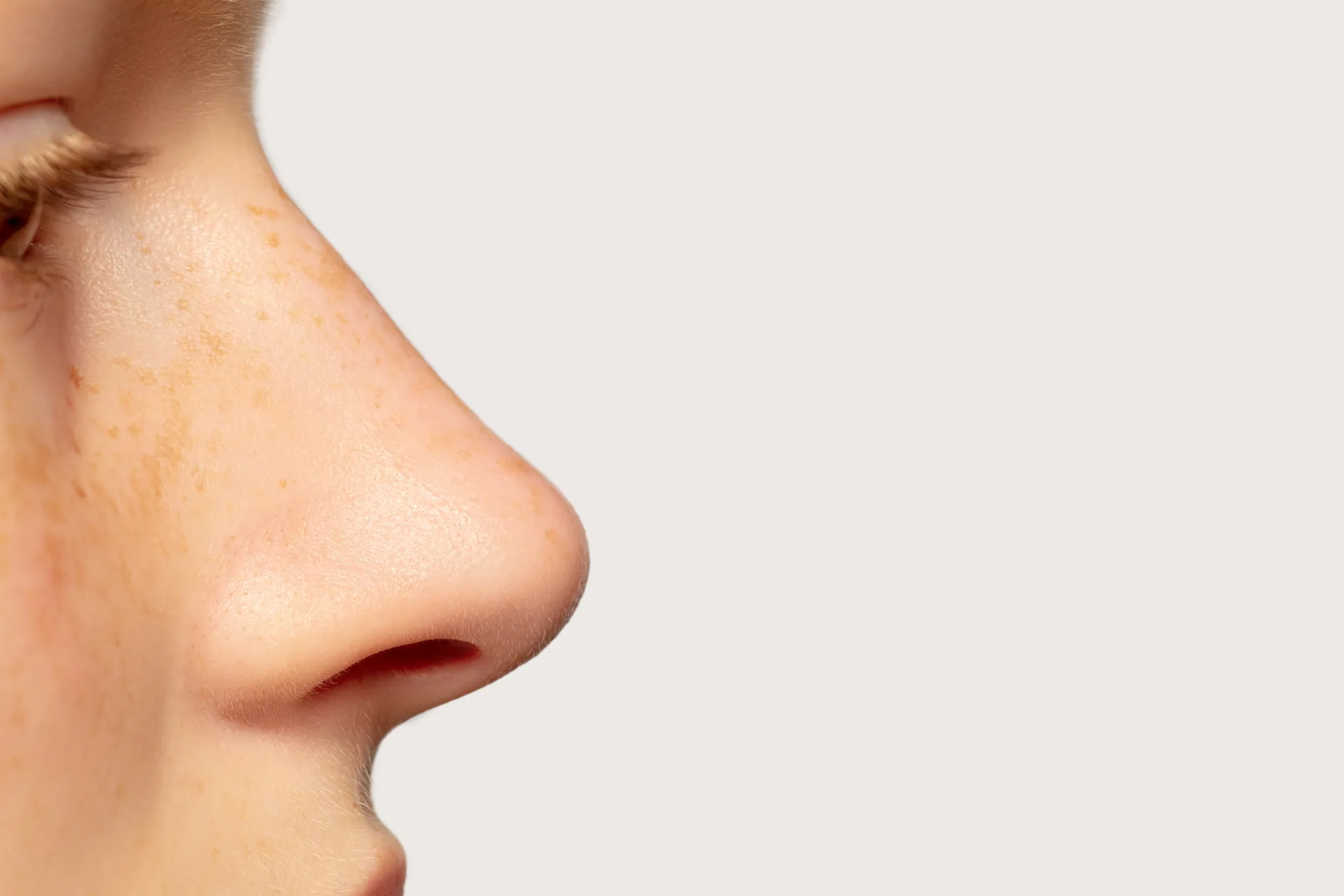
Consider the next step.
Why might flexible nasendoscopy be recommended?
Flexible nasendoscopy may be recommended when the clinician needs to see areas not fully visible by looking into the mouth or the front of the nose. The target depends on the symptoms and what the initial assessment suggests.
Possible discussions include persistent nasal obstruction, a lasting voice change or swallowing difficulties. Different complaints may require different examinations or further tests. Ask what this particular test can answer in your case.
A nasal scope examination should answer a clinical question
A nasal scope examination should have a purpose linked to your history or findings. Ask what area will be examined, what the clinician hopes to establish and how the result may change the plan.
Nasoendoscopy is an assessment rather than a treatment commitment
Nasoendoscopy does not commit you to treatment. You can discuss questions and give consent before proceeding. Tell the clinician if you are worried or need the examination paused.
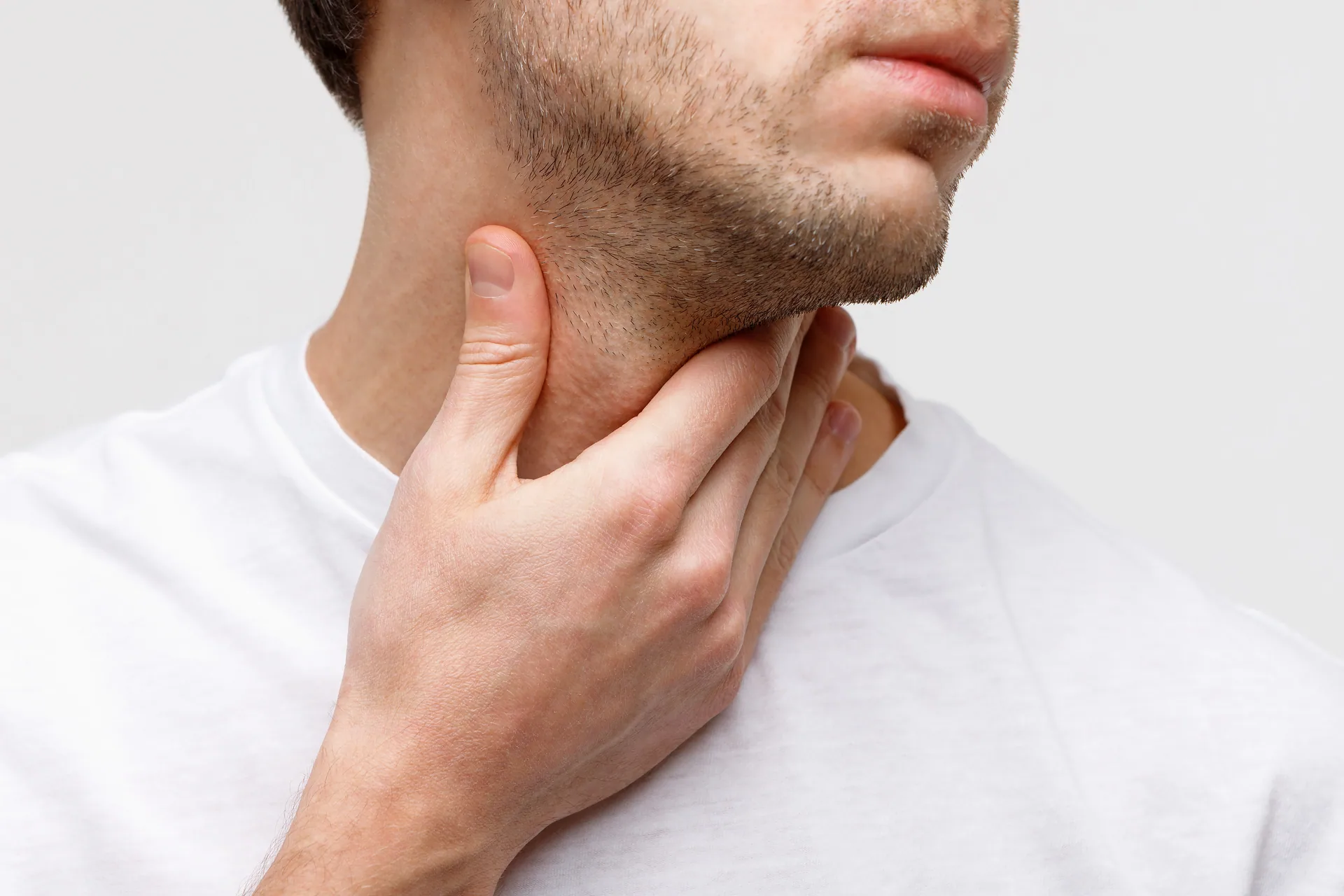
What happens during a flexible camera examination?
A flexible camera examination involves gently passing a thin instrument through a nostril to view the relevant structures. You are usually awake. The clinician may ask you to breathe normally, speak or make certain sounds, depending on the purpose of the assessment.
Some people notice pressure, watering eyes or an urge to cough or gag. Explain a strong gag reflex, previous difficulty with nasal procedures or a very blocked side before the test. Comfort and the ability to complete the examination should be discussed throughout.
The examination technique and duration depend on what needs to be assessed. Do not assume that a description of a specialist voice test means every routine examination uses the same equipment or recording method.

Local anaesthetic spray: ask what applies to you
Local anaesthetic spray may be offered to reduce sensation in the nose or throat. Ask whether it is recommended, what it is intended to do and what instructions apply afterwards.
Tell the clinician about allergies, relevant medicine reactions and current medicines. Do not stop a prescribed medicine on your own before an appointment. If there is a specific preparation requirement, follow the instructions from the treating team.
Numbness can affect eating and drinking after a spray. Confirm when it is safe to resume and wait as instructed. Advice depends on what was used; a general website cannot confirm when sensation has returned for you.
Voice box assessment and the information it can provide
Voice box assessment may involve viewing the larynx and vocal cords while you make sounds. The appearance and movement can help guide an explanation of a voice concern and whether another assessment is needed.
A routine scope is not identical to every detailed voice investigation. Ask whether a further test or speech pathology review would add useful information. See voice disorders for the broader care pathway.
For an example of a voice-focused examination, read Guy’s and St Thomas’ patient information. Its specific arrangements describe that hospital’s service; your treating clinician should explain the examination proposed for you.
Nasal passage assessment: what the camera does not replace
Nasal passage assessment can help identify visible findings relevant to blockage or other symptoms. The camera view is considered alongside the history and physical examination, rather than used as an isolated diagnosis.
Some questions may still need imaging, sampling or investigation outside the area viewed. A camera examination through the nose is not the same as a procedure examining the stomach or the whole oesophagus.
If a finding needs another test, ask what is uncertain and why the next investigation is appropriate. If the view is reassuring but symptoms continue, confirm the follow-up plan instead of assuming no further explanation is needed.
Nasendoscopy risks, preparation and care afterwards
Nasendoscopy can cause discomfort and occasionally a nosebleed, coughing or lightheadedness. Ask about risks that matter to your health and what to do if a problem continues after the appointment. Severe breathing difficulty needs urgent medical care.
Bring your referral, medicine list and relevant earlier reports. Check preparation instructions with the treating team, especially if your appointment includes another test. Do not assume you must fast or arrange sedation based on a different endoscopy procedure.
Ask about the consultation and examination charges in advance. A camera test may be billed separately depending on the service and circumstances. Fees and Medicare information can help you prepare the right cost questions.
Test results: leave knowing what happens next
Test results should be explained in relation to the symptom that brought you in. Ask what was seen, what can reasonably be concluded and whether any part of the question remains unanswered.
The next step may be observation, medicine, another investigation or a treatment discussion. If a report will be sent later, confirm who will receive it and whether you need another appointment. Keep the plan with any other relevant results.
Questions about nasendoscopy
Does flexible nasendoscopy mean I need surgery?+
Flexible nasendoscopy is an examination, not a decision to operate. Its findings can support several next steps, including observation, medicine or further tests. Any operation needs a separate explanation and consent.
Is a nasal scope examination painful?+
A nasal scope examination may feel uncomfortable, particularly with a narrow nose or strong gag reflex. Tell the clinician about concerns beforehand and speak up if you need a pause during the examination.
Will a flexible camera examination require sedation?+
A flexible camera examination in an ENT appointment is commonly performed while you are awake. Confirm the arrangements for your test, particularly if another procedure is planned at the same visit.
Can I eat after local anaesthetic spray?+
Local anaesthetic spray can leave the nose or throat numb. Follow the clinician’s instructions about when eating and drinking are safe again rather than resuming immediately after the camera is removed.
Is voice box assessment the same for every voice problem?+
Voice box assessment varies with the question being investigated. A routine examination may be sufficient in some cases, while others need a more detailed test or speech pathology review.
Does the camera examine the whole food pipe?+
This examination is not the same as an investigation of the whole food pipe or stomach. Swallowing concerns may require other tests depending on where the problem is suspected.
What if I have a very blocked nasal passage?+
A blocked nasal passage should be mentioned before the examination. The clinician can consider the approach, comfort measures and whether the test can be completed appropriately.
When will test results be explained?+
Test results may be discussed during the visit, but some findings need further review or investigation. Confirm what is known now, what remains pending and who will arrange the next step.
Prepare for your nasendoscopy discussion
Nasendoscopy is easier to understand when you know its purpose and limits. Bring your symptoms and questions, check the preparation advice and ask how the findings will guide the next decision.
Start with a conversation.
Send a non-urgent enquiry about arranging a visit. Keep detailed health information and medical records for your consultation.
- 01
Tell us what brings you here
Choose an area of care and leave your contact details.
- 02
Confirm the practical details
Check the location, appointment fee and referral requirements with the practice.
- 03
Prepare for your consultation
Bring relevant reports, medicines and the questions you want to ask.