Swallowing Difficulties: Understand the Cause and Protect Safe Eating
Swallowing difficulties can affect food, drinks, saliva or tablets. They deserve assessment rather than an assumption that the problem is reflux or simply part of getting older. The next step depends on what happens when you swallow and whether eating remains safe.
ENT Specialists Melbourne helps you prepare an account of the problem for medical review. Explain when it began, whether it is worsening and which part of a meal causes difficulty. This can help direct you towards the right examination and the clinicians needed for your care.
Prepare a swallowing assessment enquiry · Read the first appointment guide
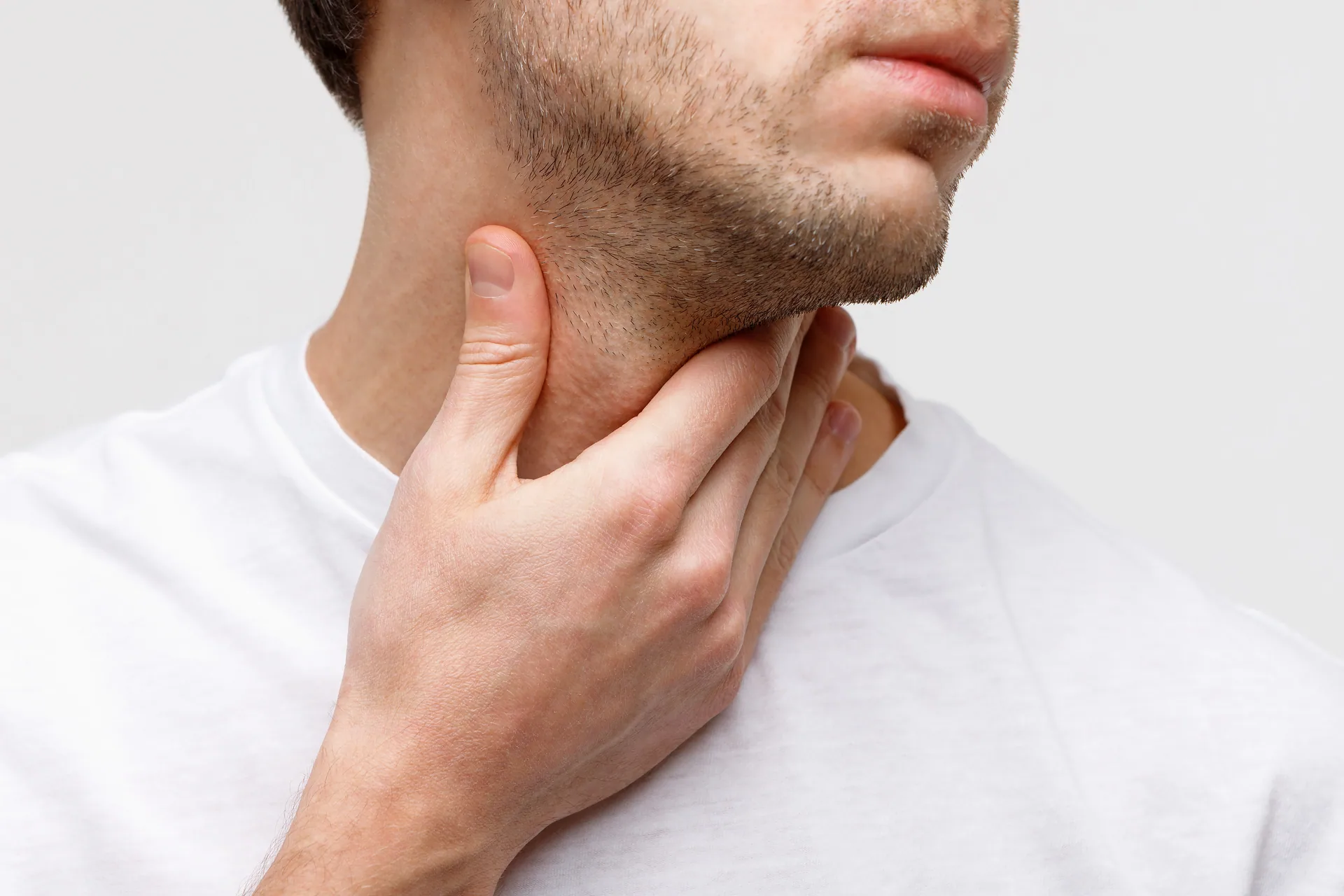
Consider the next step.
When does difficulty swallowing need urgent help?
Difficulty swallowing needs urgent help if food is stuck and you cannot swallow saliva, or if you have breathing difficulty. Suspected choking is an emergency. Sudden swallowing changes with facial droop, arm weakness or altered speech may indicate a stroke: call 000.
Arrange prompt medical review for worsening symptoms, pain on swallowing, unexplained weight loss or repeated chest infections. Do not rely on a routine website enquiry to judge how urgent the problem is.
Swallowing problems with solids and liquids
Swallowing problems should be described separately for solids and liquids. Tell the clinician whether trouble begins as you start the swallow or feels lower down afterwards. These descriptions help guide assessment but cannot establish the diagnosis by themselves.
Trouble swallowing tablets or saliva
Trouble swallowing can also involve medicines or controlling saliva. Tell your doctor or pharmacist if tablets are difficult. Do not crush a medicine or open its capsule without checking that it is safe for that product.

Dysphagia assessment: work out which part needs investigation
Dysphagia assessment considers the swallowing action and the route from the mouth through the throat into the oesophagus. Problems with movement, coordination or structure may need different investigations and care.
Bring your referral, a timeline and relevant medical history, including neurological conditions, earlier head or neck treatment and any prior swallowing tests. Mention changes in your voice, a neck finding or pain as well as the swallowing symptom.
An ENT review may be one part of the pathway. Gastroenterology, speech pathology or another specialty may be appropriate depending on the findings. A useful plan makes clear who is investigating which question rather than implying that one test rules out every cause.

Food sticking: describe the sensation without guessing its source
Food sticking may feel as though it occurs in the throat or chest. Tell the clinician which foods cause it, whether the problem is becoming more frequent and whether food comes back up. Mention any previous episode requiring urgent treatment.
Do not force more food or drink down to try to clear a suspected obstruction. If food remains stuck or you cannot swallow saliva, seek urgent care.
A feeling of a lump between meals is different from food failing to pass, though both deserve an explanation when persistent. Describe the actual sequence rather than choosing a diagnosis from a symptom list.
Coughing during meals and swallowing safety
Coughing during meals can be a sign that swallowing needs assessment. Tell the clinician whether it occurs with drinks, food or both, and whether you become breathless or your voice sounds different afterwards.
Aspiration means material enters the airway instead of following the intended route. A clinician may consider tests to assess this risk. Absence of a cough does not, on its own, establish that every swallow is safe.
Ask for individual advice about eating and drinking while assessment is being arranged. A blanket change to thickened drinks or food texture is not suitable for every person. If intake is falling or dehydration is a concern, seek medical advice promptly.
What can a throat examination establish?
A throat examination can help assess visible structures and direct further investigation. A flexible camera test may be considered to examine areas not seen by looking into the mouth. See nasendoscopy information if this has been proposed.
Other tests may examine the swallowing action or the oesophagus. They answer different questions. Ask what a recommended test is intended to show, how to prepare and who will explain the result.
A reassuring result from one examination does not automatically explain continuing symptoms. If the problem persists, confirm the next step and whether assessment elsewhere in the swallowing pathway is needed.
Speech pathologist involvement and a workable care plan
A speech pathologist can assess swallowing and recommend appropriate strategies where indicated. A dietitian may also help when nutrition or weight is affected. Their roles can complement medical investigation rather than replace it.
Treatment depends on the cause and may include medicines, swallowing strategies or a procedure for a specific finding. Do not assume that every swallowing symptom should receive reflux medicine or surgery.
Healthdirect’s dysphagia information explains the range of possible causes and care. If reflux is being considered, read silent reflux information while keeping the broader assessment in view.
Confirm any separate fees for consultations, tests and allied health care as they are arranged. Ask who will coordinate the results and how to obtain help if eating becomes more difficult before your next appointment.
Questions about swallowing difficulties
Does difficulty swallowing always come from the throat?+
Difficulty swallowing can arise from the swallowing action, throat structures or the oesophagus, among other causes. The symptom location alone does not identify the source. History and appropriate investigations guide the pathway.
Are swallowing problems always due to reflux?+
Swallowing problems are not always due to reflux. Persistent or progressive symptoms need assessment of other possible causes. Do not keep repeating reflux treatment without discussing symptoms that remain unexplained.
What should I report during dysphagia assessment?+
Dysphagia assessment benefits from details about solids, liquids, symptom timing, choking or coughing and any change in weight. Bring prior test results, a medicine list and relevant medical or surgical history.
Can food sticking wait for a routine visit?+
Food sticking needs urgent care if it remains lodged or you cannot swallow saliva. Recurrent or worsening episodes also need prompt medical review even if the food eventually passes.
Does coughing during meals mean food is entering the airway?+
Coughing during meals can raise that concern, but it does not establish the diagnosis. Swallowing assessment can help determine the cause and whether changes to eating or drinking are needed.
Why might I see a speech pathologist?+
A speech pathologist may assess swallowing function and advise individual strategies or further testing. This can be relevant even when speech itself is not a problem.
Does a throat examination replace every other test?+
A throat examination does not replace every investigation of swallowing. Different tests assess different areas and functions. Ask what has been checked and how persistent symptoms will be followed up.
Should I change all my food to a soft diet?+
Diet changes should follow individual advice. The safest texture depends on the swallowing problem and nutritional needs. Seek prompt help if you cannot maintain adequate food or fluid intake.
Prepare for your swallowing difficulties discussion
Swallowing difficulties are easier to investigate with a clear account of what happens during meals. Arrange medical review, bring existing reports and confirm both the investigation plan and advice for eating while you wait.
Start with a conversation.
Send a non-urgent enquiry about arranging a visit. Keep detailed health information and medical records for your consultation.
- 01
Tell us what brings you here
Choose an area of care and leave your contact details.
- 02
Confirm the practical details
Check the location, appointment fee and referral requirements with the practice.
- 03
Prepare for your consultation
Bring relevant reports, medicines and the questions you want to ask.