Hearing Test Melbourne: Understand the Change, Then the Next Step
A hearing test Melbourne patients arrange can help clarify a change in hearing and describe its pattern. The result is most useful when considered alongside the symptoms and examination, rather than treated as a diagnosis on its own.
ENT Specialists Melbourne explains hearing assessment for adults and families preparing for ENT care. Bring previous reports and describe where communication is difficult. An assessment does not automatically mean a hearing aid or an operation is needed.

Consider the next step.
When is a hearing test in Melbourne worth discussing?
A hearing test in Melbourne is worth discussing when hearing seems different, conversation is harder or an earlier ear problem needs review. You may notice difficulty in background noise, a blocked sensation or needing questions repeated.
These observations do not establish the cause. Ear canal problems, middle-ear fluid and other changes can affect hearing differently. Describe the pattern and timing, including whether one ear is affected more than the other.
Sudden hearing loss needs urgent medical assessment. Healthdirect advises attending an emergency department; do not wait for a routine test or appointment enquiry.
A Melbourne hearing test after an ear problem
A Melbourne hearing test after treatment can help answer a specific review question. Bring earlier results and ask what comparison is needed. Repeating a test is useful when it helps assess the current concern.
A hearing test in Melbourne before a treatment decision
A hearing test in Melbourne may inform a discussion about monitoring, hearing support or a procedure. Ask which finding matters to the decision and what other information the clinician needs.
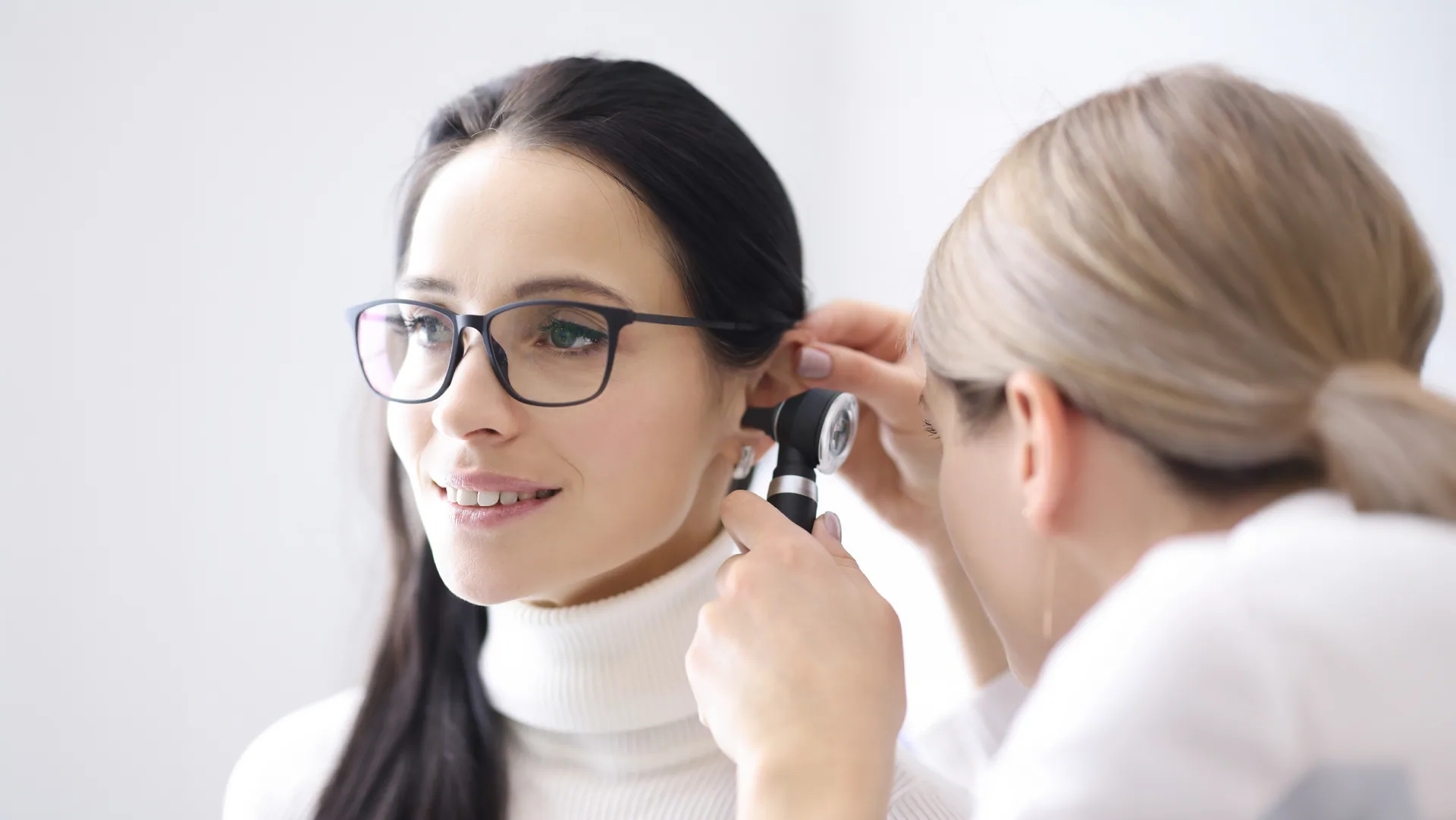
Adult hearing test: explain the situations that are difficult
An adult hearing test can describe hearing across different sounds. Tell the audiologist about conversations, telephone use, work or listening situations that have become harder, as well as tinnitus or previous ear treatment.
Common testing may involve listening through headphones and responding when sounds are heard. The method depends on the question and patient. Ask how the assessment relates to your concern rather than assuming every appointment uses an identical set of tests.

Children's hearing test: match the method to the child
A children’s hearing test needs methods appropriate to the child’s age and ability to participate. Parents can describe how the child responds at home, childcare or school and bring existing reports.
Repeated ear infections or glue ear may be part of the history. Do not assume that speech or attention concerns are explained by hearing alone. Ask what the result shows and whether further clinical assessment is appropriate.

Audiology assessment and the ENT examination have different roles
An audiology assessment measures aspects of hearing and may assess middle-ear function. A medical examination addresses additional questions about the ear and possible causes of symptoms. The two can provide different pieces of the same picture.
Ask whether a hearing test should be arranged before or alongside the specialist visit, who will provide it and whether a referral is needed. Confirm service availability and age suitability directly rather than assuming every test is available at every location.

Hearing test results: ask what the chart means for you
Hearing test results may be presented on an audiogram. Ask the clinician to explain the pattern, degree of hearing change and relevance to daily communication. If middle-ear testing is performed, ask what it says about the eardrum and middle ear.
The important next question is how the result changes the plan. You may need review, further assessment, treatment of an ear condition or hearing support. An online screening result does not replace an assessment suited to the clinical concern.
Hearing test cost and appointment arrangements
Hearing test cost should be confirmed for the proposed assessment. Ask whether the hearing appointment is billed separately from the ENT consultation and which test or report is included.
Any rebate or funded program depends on the relevant service and eligibility. Confirm those arrangements with the provider and appropriate organisation rather than assuming another patient’s experience applies. Read the fees information and appointment preparation before arranging care.
Questions before your Melbourne hearing test
Does a hearing test Melbourne enquiry confirm a test appointment?+
A hearing test Melbourne enquiry does not confirm an appointment. Check the provider, location, availability and fee directly. Ask whether the test should take place before the specialist consultation.
Is a Melbourne hearing test enough to diagnose every ear problem?+
A Melbourne hearing test provides hearing information rather than an answer to every ear concern. The history and examination may be needed to understand the cause and decide on further care.
What should I bring to an adult hearing test?+
An adult hearing test can benefit from earlier results and information about relevant symptoms, treatment and listening difficulties. Mention existing hearing devices and ask whether anything else is required.
Can a children's hearing test be adapted to age?+
A children’s hearing test uses methods suited to age and participation. Confirm that the service can assess the child’s age group and ask how to prepare for the visit.
Does an audiology assessment mean I need hearing aids?+
An audiology assessment does not automatically mean hearing aids are needed. The findings and clinical situation guide whether monitoring, medical care, hearing support or another step is appropriate.
Can hearing test results be compared with earlier reports?+
Hearing test results can be compared where the reports and methods are relevant. Bring earlier information and ask what any difference means rather than interpreting a chart change alone.
Is hearing test cost included in the specialist consultation?+
Hearing test cost may be separate from the consultation. Confirm what is included and whether the relevant assessment has its own charge before attending.
Can sudden hearing loss wait until a routine test?+
No. Sudden hearing loss needs urgent medical assessment. Do not delay care while waiting for a routine appointment message or online booking response.
Arrange a hearing test in Melbourne with a clear question
A hearing test in Melbourne is most useful when its purpose is understood: assessing a change, comparing earlier findings or informing a treatment decision. Bring the history and reports that help answer that question.
Explore the hearing loss and tinnitus information and paediatric ENT information for more focused questions about your concern.
Further patient information: Read the source information.
Start with a conversation.
Send a non-urgent enquiry about arranging a visit. Keep detailed health information and medical records for your consultation.
- 01
Tell us what brings you here
Choose an area of care and leave your contact details.
- 02
Confirm the practical details
Check the location, appointment fee and referral requirements with the practice.
- 03
Prepare for your consultation
Bring relevant reports, medicines and the questions you want to ask.